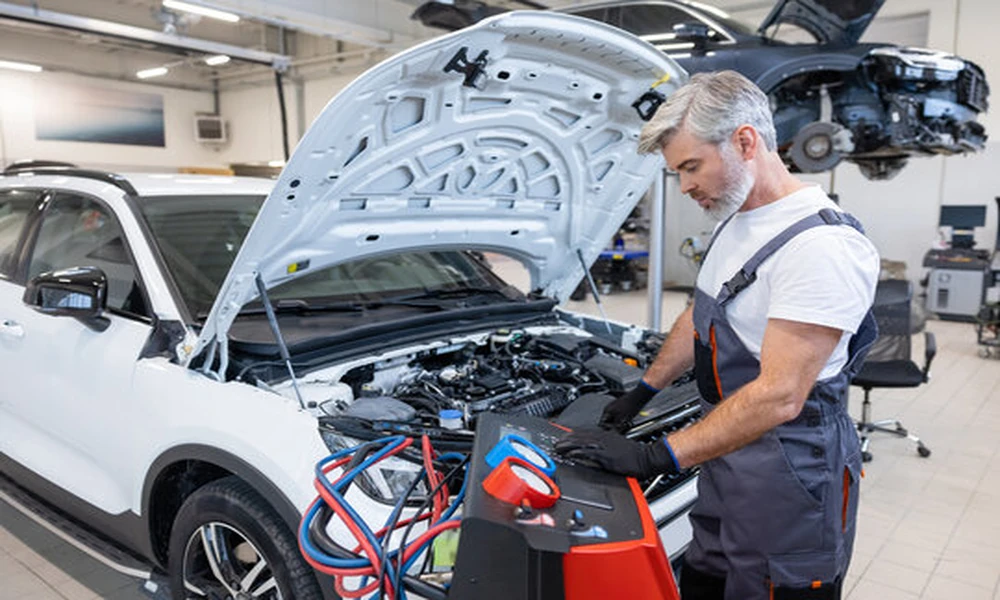

A healthy cooling system keeps engine temperatures stable during everyday driving. The thermostat controls coolant movement according to changing engine temperature. However a damaged thermostat housing can disturb this important process. Cracks can allow coolant to escape before reaching vital engine components. Warped surfaces can also prevent proper sealing around the thermostat.
So coolant flow may become weak or inconsistent during normal operation. These problems can gradually increase engine temperature and create serious mechanical concerns. The Auto repair in Teutopolis, IL service can help identify cooling system problems before damage becomes extensive. Understanding housing damage makes thermostat repair decisions easier for vehicle owners.
How Cracks Can Disrupt Coolant Movement
Coolant needs controlled movement through the engine and radiator during operation. The thermostat regulates this movement according to engine temperature changes. When the housing develops cracks coolant pressure can force fluid outside. This reduces the amount of coolant available for proper circulation. Low coolant levels can create additional air pockets within the cooling system.
These pockets may interrupt consistent coolant movement around hot engine areas. But the engine can continue operating before obvious warning signs appear. Temperature readings may become unstable during traffic or extended driving periods. A trained technician can inspect the housing for visible damage and leakage. Webster Tire and Auto can assess these conditions and recommend suitable thermostat repair solutions.
How Housing Damage Can Lead To Overheating
Engine overheating can develop when coolant cannot circulate correctly through cooling passages. A damaged housing may allow coolant to escape continuously during vehicle operation. As coolant levels decrease the engine loses important temperature control. The thermostat may also struggle when air enters the cooling system. This can create delayed opening or inconsistent coolant movement through passages. So overheating may become more frequent during demanding driving conditions.
Extended traffic can expose these weaknesses because airflow becomes naturally limited. Highway driving can also reveal problems when engine load remains consistently high. Webster Tire and Auto can inspect coolant circulation and housing condition during thermostat service. Early attention can reduce the chance of expensive engine related repairs.
Repairing The Housing And Restoring Proper Cooling
Fresh coolant may be necessary after repairing leaks and restoring circulation. The cooling system may then require proper bleeding to remove trapped air. This process helps restore stable coolant movement throughout the engine cooling circuit. Now careful testing can confirm whether temperatures remain within normal operating conditions. Webster Tire and Auto can provide professional assistance when thermostat housing damage affects coolant flow. Timely service supports reliable engine performance and reduces preventable cooling system stress.