
Clear visibility is essential for safe driving, especially during heavy rain, snow, road spray, or early morning journeys. Although windscreen wipers are relatively simple components, they play a vital role in helping drivers see the road, pedestrians, signs, and other vehicles.
Wiper blades gradually wear down because of regular use, changing temperatures, dirt, sunlight, and exposure to the elements. Choosing the correct replacement blades can improve visibility, reduce windscreen streaking, and make driving in poor weather more comfortable.
Why Good Wiper Blades Matter
Wiper blades are designed to remove water, dirt, and debris from the windscreen. When they work properly, they create a clean and consistent wiping pattern without leaving patches or distracting marks.
Worn blades may struggle to maintain contact with the glass. This can result in smearing, skipping, squeaking, or reduced visibility. In severe weather, even a small reduction in visibility can make it harder to react quickly to changing road conditions.
Replacing damaged or ineffective wipers is therefore an important part of routine vehicle maintenance.
Signs Your Wiper Blades Need Replacing
Wiper blades do not always stop working suddenly. In most cases, their performance declines gradually. Drivers should look out for several common warning signs.
Streaks Across the Windscreen
Streaking often occurs when the rubber edge becomes worn, dirty, or uneven. Cleaning the blade may provide a temporary improvement, but persistent streaks usually indicate that replacement is needed.
Squeaking or Juddering
Wipers should move smoothly across the windscreen. Squeaking, vibration, or juddering may suggest that the rubber has hardened or that the blade is no longer sitting correctly against the glass.
Missed Areas
A blade that leaves sections of the windscreen untouched may be bent, damaged, or incorrectly fitted. This problem can significantly reduce visibility during heavy rain.
Cracked or Split Rubber
A visual inspection can reveal damage before performance becomes dangerously poor. Lift the wiper arm carefully and check the rubber for cracks, splits, rough edges, or missing sections.
Choosing the Correct Wiper Blades
Wiper blades vary in size, design, and attachment type. Selecting the correct product is important because an unsuitable blade may not fit securely or clean the windscreen effectively.
Check the Vehicle Details
The correct blade depends on the vehicle’s make, model, and year. Some cars also require different blade sizes for the driver and passenger sides.
Drivers can use an online vehicle finder to identify compatible options. Searching for VIPA Wiper Blades by vehicle details can make it easier to find blades designed for the correct windscreen size and fitting system.
Understand the Main Blade Types
Traditional wiper blades use a metal frame to support the rubber wiping element. They are widely used and often provide a reliable, affordable replacement option.
Flat blades have a streamlined design with pressure distributed more evenly across the windscreen. They are commonly fitted to modern vehicles and may perform well at higher speeds.
Hybrid blades combine features of traditional and flat designs. They usually include a supporting structure covered by an aerodynamic shell.
The best choice will normally depend on the vehicle’s original equipment and compatibility requirements.
Check the Connector
Different vehicles use different attachment systems, such as hook, push-button, side-pin, or bayonet fittings. Even when the blade length is correct, the wrong connector can prevent secure installation.
Always confirm the fitting type before purchasing replacement blades.
How to Look After Your Windscreen Wipers
Proper maintenance can help wiper blades perform effectively for longer.
Clean the rubber edges regularly using a damp cloth to remove road dirt, grease, and insects. It is also important to keep the windscreen clean, as dried debris can damage the blade surface.
Avoid using the wipers on a dry or frozen windscreen. During cold weather, remove ice carefully before operating them. Activating frozen blades can tear the rubber or damage the wiper mechanism.
Drivers should also maintain the correct level of suitable windscreen washer fluid. Washer fluid helps lift dirt from the glass and reduces unnecessary friction.
Replacing Wiper Blades Safely
Most replacement wiper blades can be fitted without specialist tools. However, the exact process varies depending on the connector.
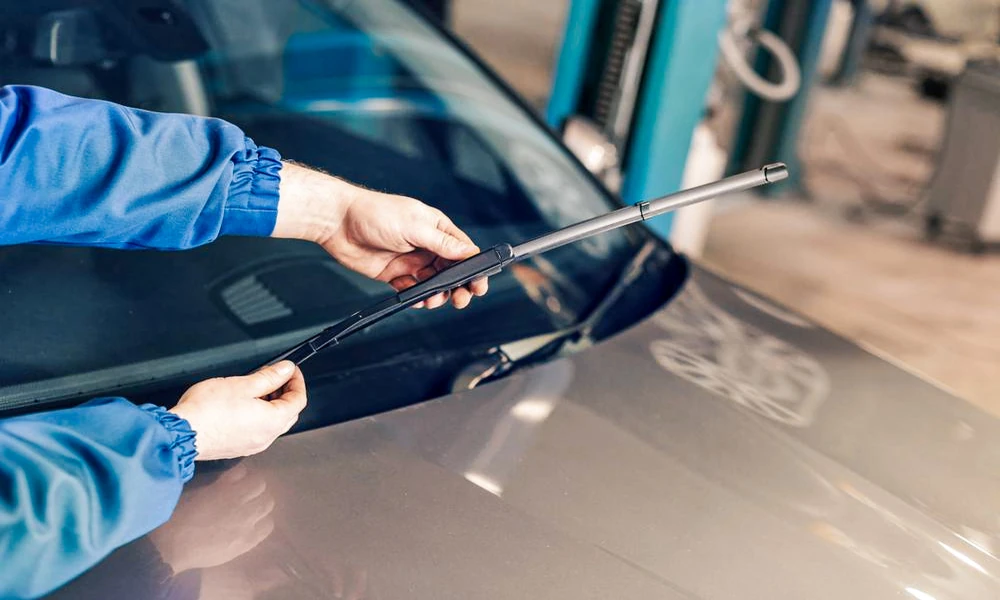
Raise the wiper arm carefully, remove the old blade according to the fitting mechanism, and attach the new blade securely. Before lowering the arm, check that the blade is locked in place.
Do not allow the bare metal arm to snap back against the windscreen, as this could damage or crack the glass. After installation, test the new blades using washer fluid and confirm that they move smoothly.
Frequently Asked Questions
How often should wiper blades be replaced?
Many drivers replace their blades approximately every six to twelve months. However, replacement frequency depends on weather conditions, usage, storage, and blade quality. Performance should always be the main guide.
Can I replace only one wiper blade?
It is possible to replace one blade, but replacing both front blades together can provide more consistent wiping performance. If one blade is worn, the other may also be approaching the end of its useful life.
Why do new wiper blades leave streaks?
New blades may streak if the windscreen is greasy, contaminated, or damaged. The blade may also be incorrectly fitted or incompatible with the vehicle.
Are all wiper blades universal?
No. Wiper blades differ in length, connector type, shape, and vehicle compatibility. Always confirm the correct fit before purchasing.
Should the rear wiper blade also be replaced?
Yes. Rear wipers are often overlooked, but they are important for visibility when reversing or driving in poor weather. Inspect the rear blade regularly and replace it when performance declines.
Conclusion
Choosing the right wiper blades is a simple but important step in maintaining safe visibility. Correctly fitted blades should clear the windscreen smoothly, quietly, and consistently.
By checking vehicle compatibility, recognising signs of wear, and maintaining the windscreen properly, drivers can improve performance in wet and challenging conditions. Regular inspections and timely replacements help ensure that the wipers are ready whenever the weather changes.
How to Choose the Right Wiper Blades for Your Car